For decades, traditional education has been presented as the ultimate preparation for life. From early schooling to higher studies, we are taught that good marks, degrees, and professional qualifications are the keys to success and stability. Families invest enormous trust in the education system, believing it equips individuals to face the real world. Yet, once students step out of classrooms and into adult life, many realize an uncomfortable truth: education prepares us for careers, but often leaves us unprepared for life itself.
Real-world challenges are not limited to jobs, salaries, or promotions. They include emotional struggles, relationships, self-worth, loneliness, and the pressure to meet expectations. These are areas traditional education rarely addresses.
The Emotional Blind Spot in Education
Schools and colleges focus on intellectual development, logical reasoning, and technical knowledge. While these are essential, they represent only one part of human life. Emotional intelligence—understanding oneself, managing emotions, and forming healthy relationships—is often ignored.
As a result, many educated individuals feel confident in professional settings but insecure in personal ones. They struggle with attachment, fear of abandonment, and emotional dependence, often without understanding why. Education teaches independence in earning, but not independence in emotional living.
This gap becomes especially visible in relationships, where confusion between love and dependency creates pain that many are unable to explain or resolve.
Love or Dependence: A Question We Are Never Taught to Ask
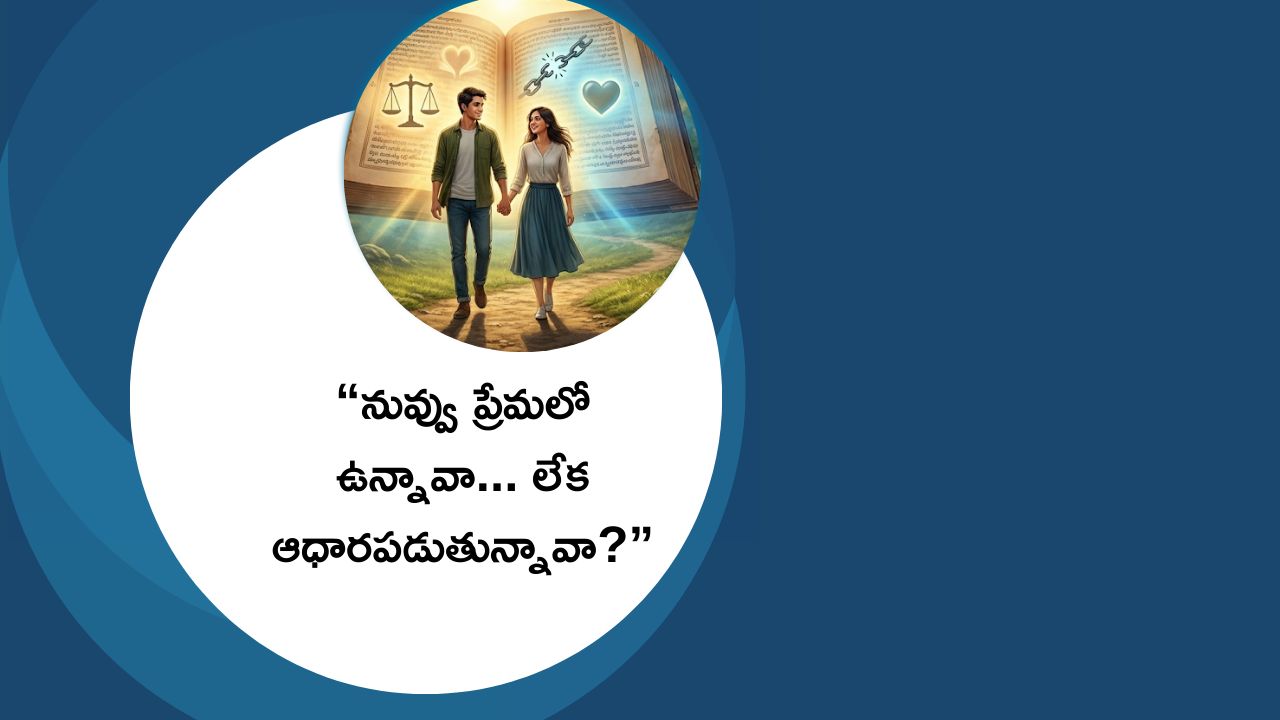
This unaddressed reality is at the heart of Srinivas Sharma’s insightful Telugu book, “నువ్వు ప్రేమలో ఉన్నావా… లేక ఆధారపడుతున్నావా?” (Are you in love… or are you dependent?). The book raises a powerful and uncomfortable question—one that traditional education never encourages us to explore.
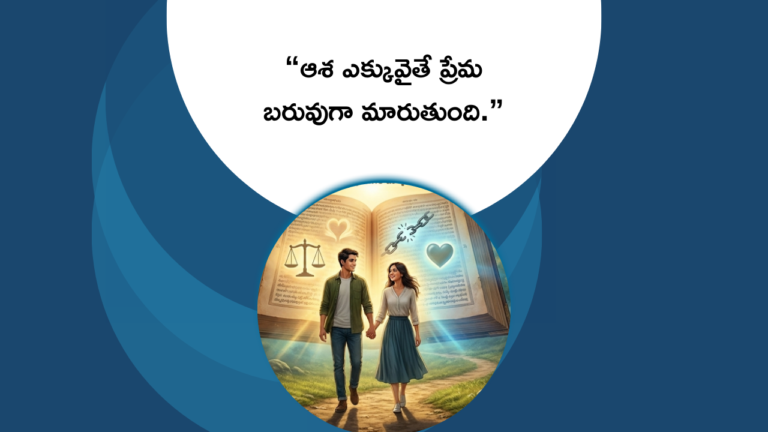
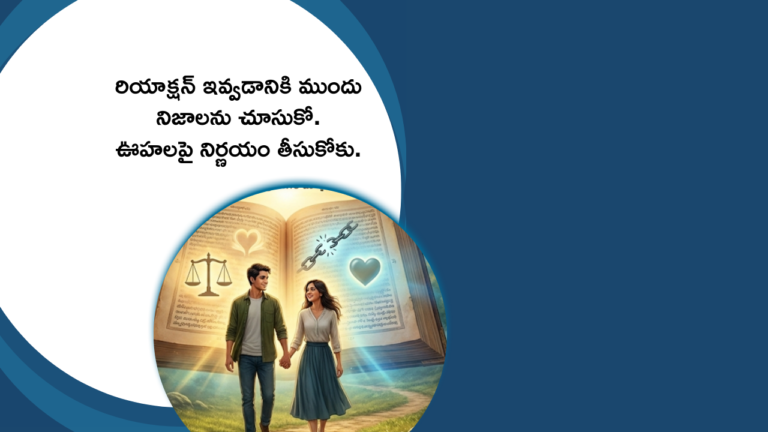
Srinivas Sharma explains that many relationships fail not because of lack of love, but because of emotional dependence. When individuals rely on another person for validation, happiness, or identity, the relationship becomes a support system rather than a partnership. Over time, this dependence leads to insecurity, control, fear, and emotional imbalance.
The book helps readers distinguish between healthy love, which allows growth and freedom, and dependence, which silently creates emotional captivity. This understanding is crucial in the real world, yet absent from academic education.
Why Degrees Alone Cannot Build Confidence
In today’s world, confidence is not built only through qualifications. Many highly educated individuals still struggle with self-doubt, anxiety, and fear of being alone. This is because confidence rooted only in external achievements is fragile.
Traditional education rewards performance, not self-awareness. It measures intelligence through exams, but never measures emotional strength. When relationships fail or expectations are not met, individuals often feel lost, even after years of education.
“నువ్వు ప్రేమలో ఉన్నావా… లేక ఆధారపడుతున్నావా?” addresses this vulnerability by encouraging emotional self-sufficiency. The book emphasizes that real confidence comes from understanding oneself, not from depending on others for emotional stability.
Real-World Readiness Requires Inner Clarity
Life outside classrooms demands more than technical skills. It requires the ability to stand alone emotionally, to choose relationships consciously, and to recognize unhealthy attachments. Without this clarity, people may succeed professionally but struggle personally.
Srinivas Sharma’s writing offers practical insight without judgment. Rather than blaming individuals or relationships, he invites readers to reflect inward. This approach resonates strongly with Telugu readers who are seeking clarity, direction, and balance in modern life.
The book acts as a guide for those who feel confused despite being educated, helping them develop emotional awareness that no syllabus provides.
Redefining Education for a Changing World
True education should prepare individuals not just to earn a living, but to live with dignity, balance, and self-respect. While traditional education builds careers, emotional education builds stability and peace.
Books like “నువ్వు ప్రేమలో ఉన్నావా… లేక ఆధారపడుతున్నావా?” fill a critical gap left by formal education. They help individuals face real-world challenges with maturity rather than confusion.
In a world where emotional dependence is often mistaken for love, learning the difference is a powerful life skill. Education must evolve to include this understanding.
Ultimately, the most valuable preparation for life is not a degree, but the ability to understand oneself. And that is a lesson no exam can teach—but the right book can.